Understanding pH Health Monitoring Cat Litter: A New Era in Feline Health
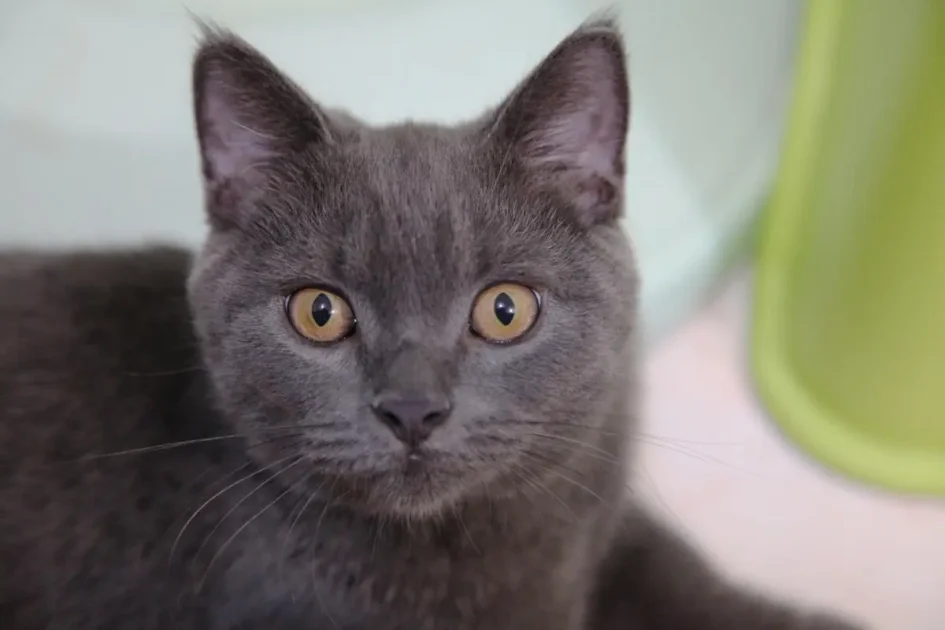
As cat owners, we are often faced with the challenge of monitoring our pets’ health. Unlike dogs, cats are naturally good at hiding signs of discomfort or illness, making it difficult to detect health problems until they become serious. One of the most common yet overlooked health issues in cats is related to their urinary tract, which can result in painful and even life-threatening conditions if not addressed early. However, thanks to advancements in technology, there’s a new solution on the market that’s revolutionizing the way we care for our cats: pH Health Monitoring Cat Litter.
This innovative product doesn’t just serve as a convenient way to clean up after your feline friend. It also helps track the health of your cat by monitoring the pH levels of their urine. In this blog, we’ll explore what pH health monitoring cat litter is, how it works, and why it’s a game-changer for feline health.
What is pH Health Monitoring Cat Litter?
pH health monitoring cat litter is a specially designed litter that can measure the pH levels in your cat’s urine. The pH level of urine is a critical indicator of health, especially when it comes to the urinary system. When a cat’s urinary pH is abnormal, it can signal the presence of a variety of health conditions, including urinary tract infections (UTIs), bladder stones, kidney disease, and even diabetes.
The litter is embedded with sensors that change color or send data to an app when they detect an abnormal pH level in the urine. These sensors monitor the acidity or alkalinity of the urine and alert the cat owner when something is off. By catching these changes early, you have the opportunity to take proactive measures and consult a veterinarian before the problem becomes severe.
How Does pH Health Monitoring Cat Litter Work?
The magic behind pH health monitoring cat litter lies in its unique ability to detect changes in the pH level of your cat’s urine. Here’s a closer look at how the system works:
- Urine Interaction with the Litter: As your cat uses the litter box, the urine interacts with the litter. In pH monitoring cat litter, there are special pH-sensitive crystals or sensors embedded within the litter particles.
- Detection of pH Changes: When your cat urinates, the pH of the urine is checked by the litter’s sensors. Normal urine should typically have a slightly acidic pH of 6.0 to 6.5. If the pH is too high (alkaline) or too low (acidic), it can indicate a potential health issue.
- Data Transmission: The litter system sends the pH data to an app on your smartphone or device. Some systems offer real-time updates, so you can see the pH readings as soon as your cat uses the litter box.
- Health Alerts: If the pH level is abnormal, the system will alert you via the app. For instance, if the urine becomes too alkaline, it may suggest bladder stones or an infection, whereas overly acidic urine could point to kidney issues or dehydration. These alerts allow you to take immediate action.
- Long-Term Monitoring: Over time, the app will track changes in your cat’s urine pH, providing you with a history of their urinary health. This data can be shared with your veterinarian, making it easier to identify trends and diagnose issues early.
Why pH Health Monitoring Cat Litter Is Essential for Your Cat’s Wellness
1. Early Detection of Health Problems
The most significant benefit of pH health monitoring cat litter is its ability to detect health issues early. Cats are notoriously good at masking their symptoms, and by the time you notice something is wrong, the problem may have already advanced. With health monitoring litter, pH changes can be detected long before your cat starts showing signs of illness. Early detection is crucial, especially when it comes to urinary tract infections, kidney disease, or bladder stones, as these conditions can quickly worsen if left untreated.
For example, an increase in the pH level of your cat’s urine may indicate a developing urinary tract infection or bladder stones. Both conditions are much easier to treat when caught early, preventing more serious complications, including kidney failure or the need for surgery.
2. Non-Invasive and Stress-Free Monitoring
One of the most significant advantages of pH health monitoring cat litter is that it is entirely non-invasive. Traditional methods of monitoring a cat’s health, such as blood tests or urine sample collection, can be stressful for both the pet and the owner. Cats often resist being handled or taken to the vet for checkups, and obtaining a urine sample can be tricky.
With pH health monitoring cat litter, all you need to do is let your cat use the litter box as they normally would. The litter does all the work, providing continuous monitoring without causing any stress. This makes it an excellent option for cats who are anxious or sensitive to traditional veterinary procedures.
3. Convenient and User-Friendly
pH health monitoring cat litter is designed to be user-friendly and easy to incorporate into your routine. There’s no need to manually test the urine or track changes yourself. Once you switch to health monitoring litter, the system will handle everything for you. The app sends notifications to your phone, letting you know if anything abnormal has been detected. You can even set up alerts for regular health updates, ensuring you stay on top of your cat’s well-being without having to actively monitor the litter.
4. Better Communication with Your Veterinarian
Health monitoring cat litter also improves communication between you and your veterinarian. If the litter detects an abnormal pH level, you can immediately share the data with your vet. Many apps offer an option to export the data or even send it directly to your veterinarian’s office, allowing them to evaluate the situation and make recommendations. This can be incredibly helpful, especially when it comes to determining whether a vet visit is necessary and what treatment plan to follow.
5. Long-Term Health Insights
Using pH health monitoring cat litter offers long-term insights into your cat’s urinary health. By tracking pH levels over time, you can identify patterns and trends in your cat’s health. For example, if the pH is consistently high, it might indicate a chronic issue that requires ongoing management. Long-term tracking can also help ensure that treatment is working and that your cat’s health is improving.
The Future of pH Health Monitoring Cat Litter
As technology continues to evolve, the future of pH health monitoring cat litter looks promising. We can expect even more advanced features and capabilities, including:
- Integration with Other Smart Devices: Future iterations of pH monitoring cat litter may integrate with other pet care devices, such as automatic feeders or activity trackers, to provide a more comprehensive picture of your cat’s health.
- AI-Based Predictions: With the rise of artificial intelligence, pH monitoring systems may eventually be able to predict potential health risks based on the data collected, giving you even earlier warnings about potential issues.
- Better Sensor Accuracy: Advances in sensor technology could lead to more accurate and precise readings of your cat’s urine, helping to detect even the smallest changes in health.
Conclusion
pH health monitoring cat litter is a breakthrough innovation in feline health care. By allowing cat owners to track their pet’s urine pH levels, it provides an easy, non-invasive, and highly effective way to detect potential health issues early. Whether it’s detecting urinary tract infections, kidney disease, or dehydration, this smart litter can give you peace of mind while ensuring your cat remains happy and healthy. As technology advances, we can expect even more impressive features and capabilities, making pH health monitoring cat litter an essential tool for every responsible cat owner.