
The Smart Pole Revolution: Lighting Up the Future
Introduction
In the ever-evolving landscape of urban development, the integration of smart technology has become essential for creating efficient, sustainable, and connected cities. Among the innovative solutions reshaping urban environments, smart poles stand out as beacons of progress. These intelligent structures, equipped with advanced features and capabilities, are revolutionizing traditional street lighting and paving the way for a brighter, smarter future. In this article, we explore the Smart Pole Revolution, its impact on urban landscapes, features, applications, benefits, and the promising path it illuminates for the cities of tomorrow.
The Evolution of Smart Poles
From Illumination to Innovation
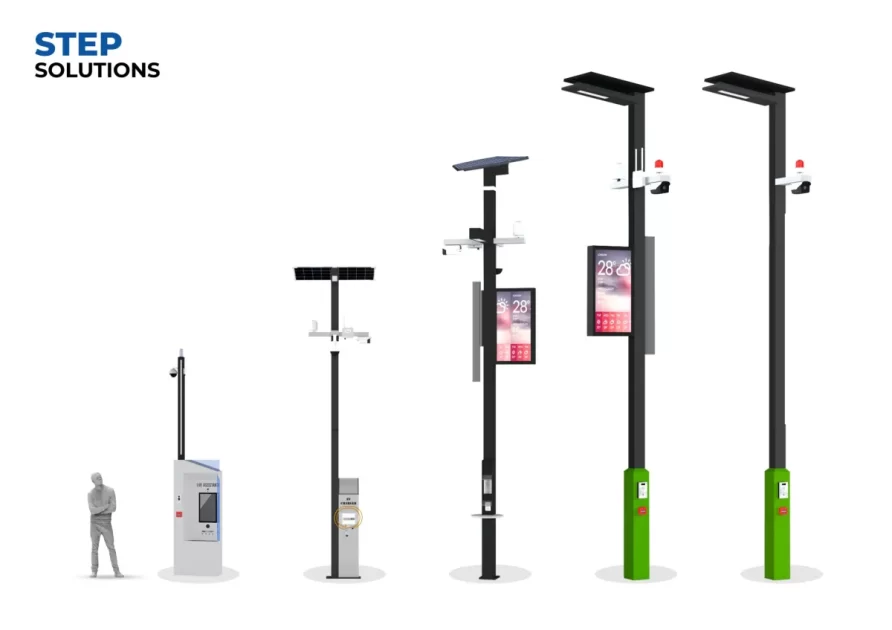
Smart poles represent a significant departure from conventional streetlights, transforming urban lighting into a dynamic and multifunctional asset. While traditional streetlights served the singular purpose of illumination, smart poles emerge as intelligent structures that redefine the urban landscape.
Features of Smart Poles
Energy Efficiency
A core feature of smart poles is their commitment to energy efficiency. Utilizing LED lighting technology, these poles consume significantly less energy than traditional lighting sources. Adaptive controls enable real-time adjustments to brightness levels, optimizing energy usage and reducing operational costs.
Integrated Sensors
Smart poles are equipped with an array of integrated sensors that monitor the surrounding environment. These sensors can detect air quality, temperature, humidity, noise levels, and more. The data collected provides valuable insights for urban planning, environmental monitoring, and resource management.
Connectivity
Functioning as connectivity hubs, smart poles offer Wi-Fi hotspots, cellular connectivity, and other wireless services. This connectivity enhances convenience for residents and visitors while supporting the proliferation of IoT devices and smart city applications.
Adaptive Lighting
An innovative feature of smart poles is their adaptive lighting capabilities. These poles can adjust brightness levels based on factors such as pedestrian activity, traffic flow, and ambient light conditions. This dynamic lighting improves visibility, enhances safety, and contributes to reducing light pollution.
Safety and Security
Enhancing safety and security is a critical aspect of smart pole technology. Equipped with high-definition cameras, motion sensors, and surveillance technologies, these poles monitor public spaces and support emergency response systems.
Applications of Smart Poles
Efficient Street Lighting
The primary application of smart poles is efficient and adaptive street lighting. These poles illuminate city streets, sidewalks, parks, and public spaces with energy-efficient LED lighting. The adaptive controls ensure optimal visibility while reducing energy consumption.
Traffic Management and Optimization
Smart poles play a vital role in traffic management by monitoring traffic flow and detecting congestion in real-time. This data helps optimize traffic signals, reduce traffic congestion, and improve overall transportation efficiency.
Environmental Monitoring
Equipped with sensors, smart poles contribute to environmental monitoring by detecting pollutants, monitoring air quality, temperature, humidity, and noise levels. This data aids in implementing targeted interventions to improve environmental quality and public health.
Connectivity and Smart City Applications
Smart poles serve as the backbone of smart city applications, providing connectivity for IoT devices and services. They support applications such as smart parking, waste management, public Wi-Fi, and more. These applications enhance efficiency, convenience, and sustainability in cities.
Benefits of Smart Poles in the Smart Pole Revolution
Sustainable Development
Smart poles contribute to sustainable development by reducing energy consumption through LED lighting and adaptive controls. They also support environmental monitoring, allowing cities to make data-driven decisions for a healthier urban environment.
Improved Safety
Enhanced safety is a significant benefit of smart poles, with integrated cameras and sensors monitoring public spaces. This real-time surveillance helps deter crime, improve emergency response times, and create safer communities.
Enhanced Connectivity
Smart poles provide seamless connectivity, offering Wi-Fi hotspots and cellular connectivity throughout the city. This connectivity ensures residents, businesses, and visitors can stay connected and access information and services easily.
Data-Driven Planning
With their integrated sensors, smart poles generate vast amounts of data about the urban environment. This data allows city planners to make informed decisions about infrastructure development, resource allocation, and urban design, leading to more efficient and effective city planning.
Real-World Examples
Los Angeles Smart Streetlight Program
Los Angeles implemented a Smart Streetlight program, replacing traditional streetlights with smart poles. These poles provide energy-efficient LED lighting, adaptive controls, and sensors for environmental monitoring. The program has resulted in significant energy savings and improved visibility in neighborhoods.
Barcelona’s Smart City Initiatives
Barcelona has deployed smart poles across the city as part of its smart city initiatives. These poles provide LED lighting, Wi-Fi hotspots, and environmental sensors. They support the city’s goal of becoming carbon-neutral and have improved connectivity and safety for residents and visitors.
Singapore’s Smart Lamp Posts
Singapore has established a network of smart lamp posts that serve as connectivity hubs and environmental monitors. Equipped with sensors and cameras, these lamp posts provide data on air quality, temperature, humidity, and traffic. They support the city’s efforts to become a Smart Nation.
Challenges and Considerations
Cost of Deployment
The initial cost of deploying smart poles, including hardware, installation, and maintenance, can be a challenge for city planners. Careful consideration and financial planning are necessary to ensure the long-term benefits outweigh the upfront investment.
Privacy and Data Security
The use of surveillance cameras and sensors raises concerns about privacy and data security. City planners must establish clear policies and protocols for data collection, storage, and usage to protect the privacy rights of individuals.
Maintenance and Upkeep
Smart Pole require regular maintenance to ensure optimal functionality. This includes monitoring sensors, updating software, and replacing components when necessary. City planners must allocate resources for ongoing maintenance to maximize the lifespan of these investments.
Community Engagement
Incorporating smart poles into city planning requires effective community engagement. Residents and stakeholders should be informed about the benefits and potential impacts of these technologies. Their input can also help shape the deployment and use of smart poles in their communities.
The Path Forward: Embracing the Smart Pole Revolution
In conclusion, the Smart Pole Revolution is illuminating the path to a smarter, more sustainable future for our cities. These intelligent structures are not just streetlights; they are the pillars of smart cities, providing illumination, connectivity, safety, and data-driven insights. As cities continue to grow and evolve, smart poles will play a pivotal role in creating efficient, livable, and connected urban environments.
The future is bright for the Smart Pole Revolution. Imagine a city where every streetlight is a hub of innovation, providing not just light but connectivity, environmental monitoring, and security. With ongoing advancements in technology and a commitment to sustainable development, smart poles are paving the way for a smarter, brighter, and more connected urban future. The time to embrace this revolution is now, as we light up the path to a brighter tomorrow.


