
Overcoming Challenges: Achieving LEED Certification in Arid Climates like Saudi Arabia
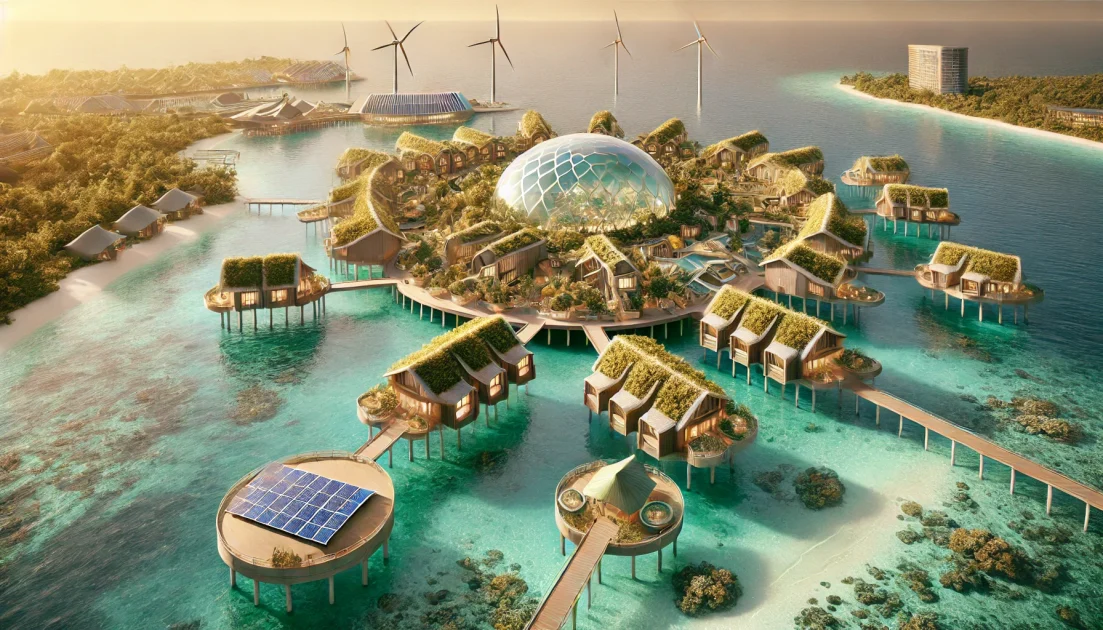
Sustainable building practices are becoming a cornerstone of development in Saudi Arabia, driven by the country’s Vision 2030 and its focus on reducing environmental impacts. However, achieving LEED (Leadership in Energy and Environmental Design) certification in arid climates presents unique challenges. From managing water scarcity to designing energy-efficient buildings in extreme temperatures, these hurdles require innovative solutions tailored to the region’s distinctive environment.
Adapting LEED Standards to Arid Conditions
Saudi Arabia’s arid climate, characterized by high temperatures, low rainfall, and limited vegetation, makes certain LEED criteria more challenging to achieve. For instance, the Water Efficiency category often demands creative strategies due to the scarcity of freshwater resources. Projects must minimize potable water use through efficient plumbing fixtures, innovative irrigation systems, and alternative water sources like treated graywater or harvested rainwater.
The challenge of water conservation is particularly acute for outdoor landscaping. In regions with limited rainfall, achieving LEED credits for maintaining green spaces while adhering to water reduction goals often requires xeriscaping—using drought-resistant native plants that thrive in harsh conditions. This not only conserves water but also aligns with the Sustainable Sites credit for protecting or restoring habitats.
Energy optimization is another hurdle in Saudi Arabia’s scorching heat, where cooling systems are a significant energy drain. Meeting the Energy and Atmosphere prerequisites and credits requires leveraging advanced insulation materials, high-performance glazing, and efficient HVAC systems. Additionally, renewable energy sources like solar panels are increasingly integrated into building designs, taking advantage of the country’s abundant sunlight to offset energy consumption and earn Renewable Energy credits.
Innovative Solutions Driving Success
Despite these challenges, Saudi Arabia has successfully embraced LEED certification in many flagship projects by prioritizing innovation and adapting strategies to the local environment. For instance, buildings in Riyadh and Jeddah incorporate reflective roofing materials and advanced shading techniques to reduce the urban heat island effect and lower cooling demands.
In urban areas, projects earn points under the Location and Transportation category by situating developments near public transit and providing bike facilities, reducing reliance on cars and cutting carbon emissions. Initiatives like these align with broader goals of creating more connected and sustainable communities.
Construction practices are also being refined to meet the Materials and Resources requirements. Using locally sourced, recycled, and low-carbon materials reduces environmental impact and supports the growing green building materials industry in Saudi Arabia.
Moreover, advanced monitoring technologies ensure ongoing compliance with LEED standards. Smart building systems monitor water and energy usage in real-time, Overcoming Challenges: Achieving LEED Certification in Arid Climates like Saudi Arabia providing data to improve operational efficiency while maintaining certification standards post-construction.
Conclusion
Achieving LEED certification in Saudi Arabia’s arid climate is no small feat, but the country’s commitment to sustainable development has driven innovation and resilience. By rethinking water and energy use, leveraging local resources, and applying cutting-edge technologies, projects across the kingdom are setting benchmarks for green building in challenging climates. These efforts not only contribute to environmental stewardship but also enhance the quality of life for communities, reinforcing Saudi Arabia’s position as a leader in sustainable development.


