
Beyond Boundaries: The Evolution of Trading Solutions
Introduction
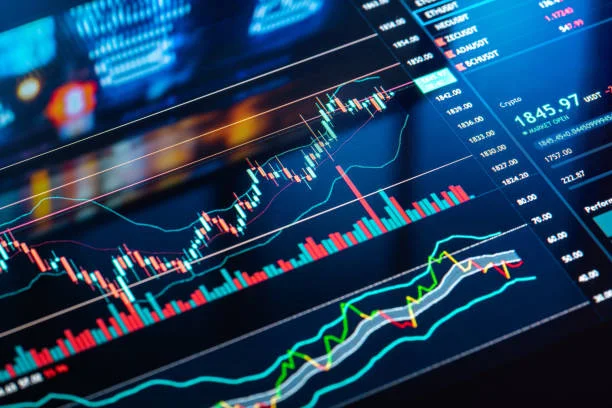
The world of trading has undergone a remarkable evolution in recent years, driven by advances in technology, changes in market structure, and shifting investor preferences. From the rise of electronic trading platforms to the proliferation of algorithmic trading strategies, the landscape of trading solutions has expanded beyond traditional boundaries, offering investors unprecedented opportunities and challenges. In this article, we delve into the evolution of trading solutions and explore how they are shaping the future of finance for more information visit our website https://liderbot.ai.
The Dawn of Electronic Trading
The advent of electronic trading revolutionized the way investments are bought and sold, replacing traditional open outcry and floor trading with electronic platforms that enable trades to be executed at lightning speed. Electronic trading platforms offer investors greater transparency, efficiency, and accessibility, allowing them to trade a wide range of financial instruments from anywhere in the world with just a few clicks of a mouse.
The Proliferation of Algorithmic Trading
Algorithmic trading, also known as algo trading or automated trading, has emerged as a dominant force in financial markets, accounting for a significant portion of trading activity across asset classes. Algorithmic trading involves the use of computer algorithms to execute trades based on predefined criteria, such as price, volume, and timing. By leveraging advanced mathematical models, statistical analysis, and machine learning techniques, algorithmic trading systems can identify trading opportunities, manage risk, and optimize execution with unparalleled speed and precision.
The Rise of High-Frequency Trading
High-frequency trading (HFT) is a subset of algorithmic trading that involves the execution of a large number of trades in fractions of a second. HFT firms use sophisticated algorithms and high-speed connectivity to exploit tiny price differentials and market inefficiencies, profiting from microsecond-level fluctuations in prices. While controversial, HFT has become an integral part of modern financial markets, providing liquidity, narrowing spreads, and enhancing price discovery.
The Emergence of Alternative Trading Systems
Alternative trading systems (ATSs), also known as dark pools or electronic communication networks (ECNs), have emerged as alternative venues for trading outside of traditional exchanges. ATSs offer investors anonymity, reduced market impact, and potentially lower transaction costs compared to public exchanges. While originally designed for institutional investors, ATSs have become increasingly accessible to retail traders, democratizing access to advanced trading solutions.
The Democratization of Trading
The democratization of trading has been facilitated by the proliferation of online trading platforms, mobile apps, and social trading networks that enable individuals to trade financial instruments from the comfort of their homes or on the go. These platforms offer intuitive interfaces, real-time market data, and educational resources that empower retail investors to make informed trading decisions and manage their portfolios more effectively.
The Integration of Artificial Intelligence and Machine Learning
Artificial intelligence (AI) and machine learning are revolutionizing the way trading solutions are developed and deployed, enabling sophisticated algorithms to analyze vast amounts of data, identify patterns and trends, and make data-driven decisions in real-time. AI-powered trading strategies, predictive analytics, and risk management systems are reshaping the landscape of trading solutions, offering investors new opportunities to capitalize on market opportunities and manage risk more effectively.
The Future of Trading Solutions
As we look ahead to the future, the evolution of trading solutions shows no signs of slowing down. Advances in technology, data analytics, and artificial intelligence are expected to continue driving innovation in the financial industry, creating new opportunities and challenges for investors. From the adoption of blockchain technology and cryptocurrencies to the development of decentralized finance (DeFi) platforms and digital asset exchanges, the future of trading solutions promises to be dynamic, diverse, and disruptive.
Conclusion
The evolution of trading solutions has transformed the way investments are bought and sold, democratizing access to financial markets and empowering investors with unprecedented opportunities. From electronic trading platforms and algorithmic trading strategies to high-frequency trading and alternative trading systems, the landscape of trading solutions has expanded beyond traditional boundaries, offering investors new ways to capitalize on market opportunities and manage risk more effectively.
As we navigate the ever-changing landscape of financial markets, it’s essential for investors to stay informed, adaptable, and forward-thinking. By embracing innovation, leveraging technology, and understanding the dynamics of modern trading solutions, investors can position themselves for success in an increasingly complex and competitive market environment. With the right tools, knowledge, and mindset, the possibilities for profit and growth are limitless in the evolving world of trading solutions.


