
A Comprehensive Guide to Common Lung Diseases
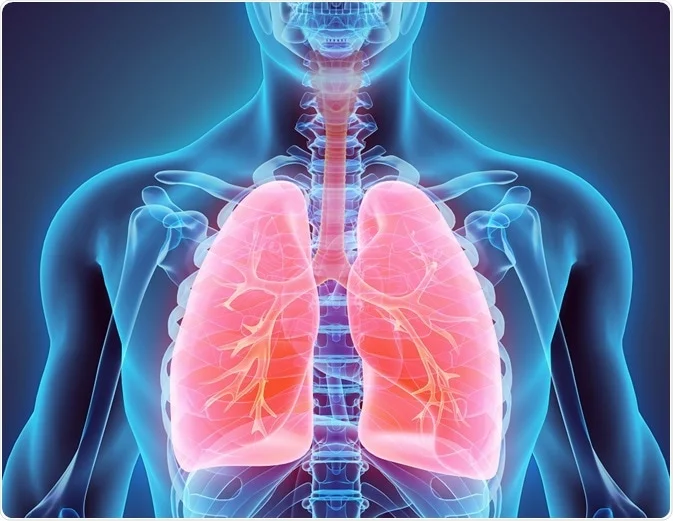
Lung Diseases: During each day, you take thousands of breaths. When you’re healthy, oxygen from the air passes through your lungs and into your bloodstream to deliver it to all the tissues of your body.
Many lung diseases prevent your lungs from doing this well. They’re also a leading cause of death worldwide. Here are the most common lung diseases shared by a Lungs Hospital.
Lung Tissue Diseases
The lungs are a vital organ in the body, working with the heart to ensure that every cell in your body gets the oxygen it needs. The lungs take in air through the airways and air sacs, then distribute oxygen throughout your body via blood vessels. The lungs also help to release carbon dioxide when you breathe out. Many different lung diseases can affect your ability to breathe normally. These include conditions that damage the tissue of the lungs, the airways, or the blood vessels of the lungs.
Lung tissue diseases, like sarcoidosis and pulmonary fibrosis, scar and thicken the tissue in your lungs. This makes it difficult for the lungs to expand properly, making it hard to take in oxygen and release carbon dioxide. It can make you feel as if you are wearing a vest that’s too tight or that your chest is stiff.
Some diseases damage the lung’s tiny air sacs, called alveoli. These diseases, like emphysema and chronic obstructive pulmonary disease (COPD), make it difficult for your lungs to expand properly.
The other type of lung disease involves the lungs’ blood vessels, which can cause clots or inflammation. These diseases, including pulmonary hypertension and pulmonary embolisms, can prevent your lungs from getting the oxygen and nutrients they need to function well.
Airway Diseases
Your lungs work with your heart to ensure the rest of your body gets the oxygen it needs. Each day, your lungs expand and relax thousands of times to bring in fresh air and send out carbon dioxide. If your lungs have a disease, it can interfere with this process and cause problems for you.
Common airway diseases affect the tubes that carry oxygen into and out of your lungs. For example, chronic obstructive pulmonary disease (COPD) causes a narrowing of your airways and a cough that produces mucus. Other conditions that affect your airways include bronchitis, asthma and emphysema.
If your lungs get infected or damaged, your doctor will treat it with medications. Your healthcare provider may also give you a lung transplant, which replaces your diseased lungs with healthy ones from a donor.
Some rare lung conditions worsen over time and can be life-threatening. These conditions can affect all ages and genders. They can be caused by genetic changes or from inhaling something that damages your lungs, such as asbestos, coal dust, mold or tobacco smoke. Other causes include inflammatory lung diseases like sarcoidosis or idiopathic pulmonary fibrosis. In addition, some rare lung diseases are a result of certain health conditions, such as rheumatoid arthritis or dermatomyositis. They can also be a side effect of some medicines, including steroids and cyclosporine.
Lung Circulation Diseases (Lung Diseases)
With each breath, your lungs distribute oxygen throughout the body, absorb carbon dioxide and expel waste gases, keeping all the cells in your body alive. Your lungs are the workhorses of your respiratory system, yet they need a lot of care to do their job well.
A lung disease prevents your lungs from doing their job. A doctor can diagnose lung diseases with a physical exam, chest X-rays and blood tests. Many common lung diseases require treatment that includes medication and lifestyle changes.
There are three categories of lung diseases: airway diseases, lung tissue diseases and lung circulation diseases. Lung tissue diseases such as pulmonary fibrosis and sarcoidosis cause scarring that makes it difficult to take in oxygen or release carbon dioxide. Airway diseases such as asthma, emphysema and chronic bronchitis narrow or block the tubes that carry air into and out of your lungs. Breathing becomes labored and painful, which can lead to pulmonary hypertension, which can make it hard for you to get enough oxygen.
The blood vessels that bring oxygen to the lungs are called the pulmonary blood vessels. Circulation diseases such as pulmonary vascular disease or pulmonary embolism cause clots in the arteries that carry blood to your lungs. This can cause you to breathe less, which can lead to pulmonary edema and heart rhythm disorders.
Asthma
A person with a lung disease can live a normal, active life if they manage their symptoms well. They should follow their doctor’s advice for medication use, avoid known triggers and seek medical attention if they develop severe symptoms, such as a loss of breath.
Any problem with the lungs or pulmonary system that affects lung function is considered a lung disease. There are 14 different diseases that fall under this category, including tuberculosis, influenza and chronic obstructive pulmonary disease (COPD).
COPD is caused by the build-up of sticky, thick mucus in the lungs over time that makes breathing more difficult. It can be caused by smoking, exposure to hazardous chemicals or occupational environmental risks.
The lining of the lungs is sensitive and can react to certain things called triggers, which include smoke, pollution, pet hair and dust mites. When these triggers are inhaled, the airways become swollen and the muscles tighten around the airways. This causes the narrowing of the lungs and reduces the flow of oxygen to the lungs, leading to breathlessness.
Asthma is a long-term lung disease that usually begins in childhood but can happen at any age. It is a condition that cannot be cured, but medications can help ease the symptoms. People with asthma should keep a record of their symptoms and possible triggers to help their doctors reach an accurate diagnosis. Untreated asthma can result in missed school or work and poor concentration. It can also lead to heart problems, ear infections and skin conditions such as eczema.


